Key takeaways
- Define texture with the use occasion, dose and dispenser.
- Use sample codes and consistent comparison conditions.
- Check proposed claims and evidence plans separately.
1. Make texture language specific
“Hydrating yet fresh” means different things to different people. Break it into flow at dispensing, slip while spreading, tack after application and interaction with the next product. The same ingredient request can hide very different experience expectations.
Subjective feedback cannot be eliminated, but it can be structured. Identify a few attributes to keep and a few to avoid from benchmark samples. Separate non-negotiable requirements from attributes that can change after feasibility discussions.
2. Decide formula and package together
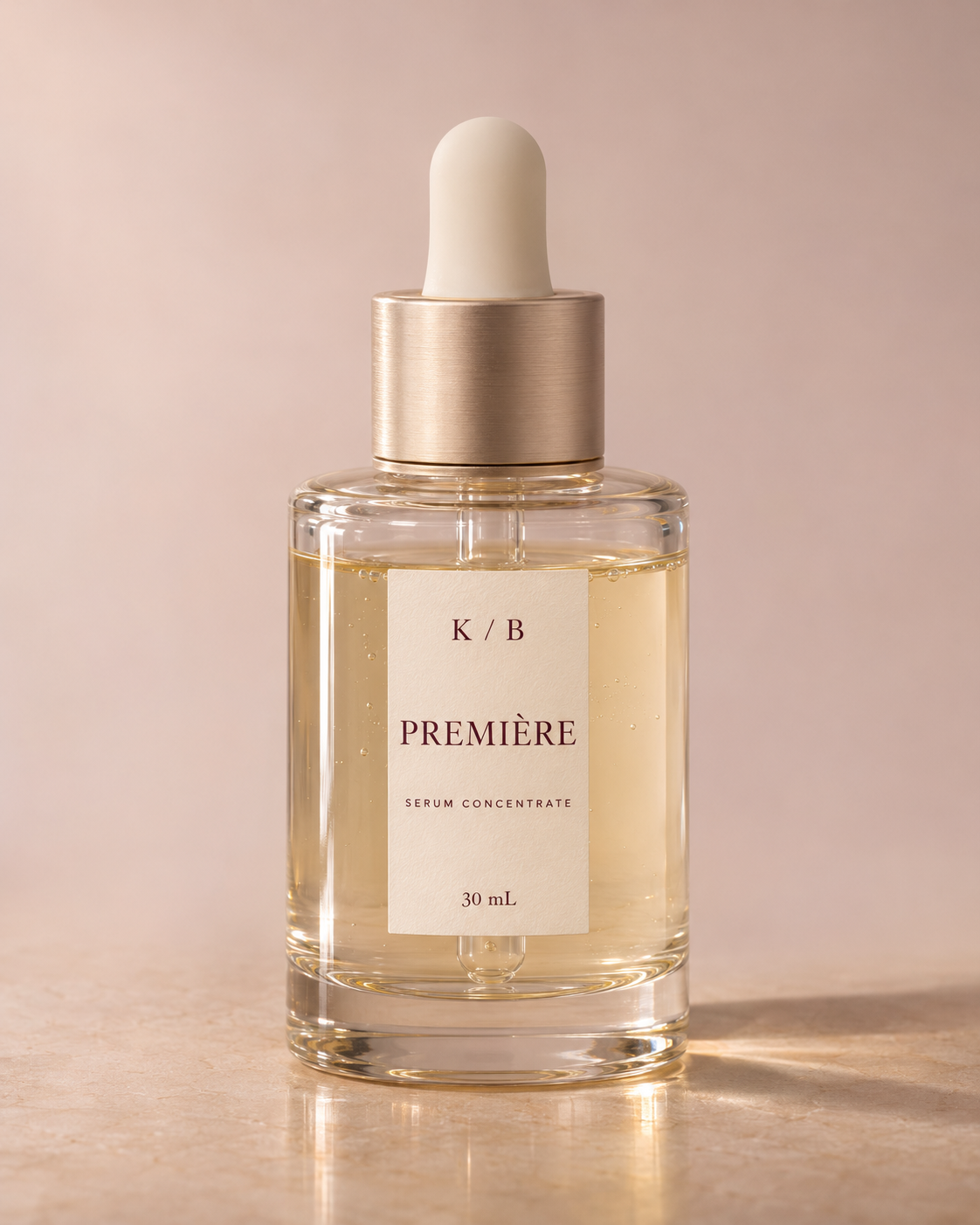
Droppers, pumps and tubes produce different doses and gestures. Compare them against viscosity and intended use. Committing to an attractive container before understanding formula needs can create avoidable revisions. A design reference is a starting point, not a confirmed technical specification.
Bring questions about fill size, headspace, light exposure and product-contact components to the manufacturer. Clearly define the product so specialists can set relevant compatibility and stability checks. Do not substitute appearance or a short informal trial for technical validation.
3. Turn feedback into a controlled change request
Record sample number, receipt date and evaluation conditions. Replace “I dislike it” with the attribute to change, such as tack or spread. Prioritize changes; changing every attribute at once makes it difficult to understand which revision improved the experience. Keep an agreed benchmark for each round.
Link the approved sample code to its container, fragrance and colour specifications. Agree responsibility for retaining standards and reviewing production. Archive earlier revisions clearly so an old sample or document cannot be mistaken for the approved specification.
4. Separate sensory preference from claim evidence
A preferred sensory experience does not establish evidence for a specific efficacy claim. List proposed statements and identify what documentation is needed. For Korean sales, review the MFDS guidance on cosmetics labeling and advertising as a starting point.
The brief and scorecard are planning tools, not safety or efficacy tests. Specific testing and wording require review for the actual formula and destination. Keep a clear link between each claim, its evidence and the approved language used by the brand.
5. Exercise: turn sample A and B into a revision decision
Consider an illustrative review in which sample A spreads well but feels heavy afterward, while B has a preferred finish but dispenses poorly. Instead of simply voting for one, revisit the mandatory experience objective. Confirm whether both were evaluated with the same dispenser and dose, and record whether fragrance or another unrelated difference influenced the judgment. Neither preference is proof of safety or efficacy.
The next brief should name the attribute to retain, the attribute to change and their priority. Ask the manufacturer whether the issue is better addressed through dispensing hardware or formulation, and preserve the comparison sample for the next round. At approval, archive formula, package, colour and fragrance versions together. Keep internal preference records distinct from professional test evidence so the two are never presented as interchangeable.
Working checklist
| Attribute | How to record it | Revision request |
|---|---|---|
| Dispensing | Format, dose, flow | Review package and formula |
| Application | Slip and spread | Name the desired attribute |
| After-feel | Consistent timing | Must versus preference |
| Approval | Sample code and version | Link to final specification |
FAQ
Should I specify ingredient percentages first?
Define objectives and constraints, then review formulation feasibility with the manufacturer. Ingredient names alone do not determine the experience.
Can internal feedback support advertising claims?
Evidence requirements for specific claims need separate review. Internal preference feedback is not a substitute.
Sources and references
Sources checked: 2026-11-16
The practical checklists are editorial planning recommendations. They do not guarantee a supplier’s pricing, lead time or test results. Regulatory applicability must be checked for the product and destination market.